
Acne · 6 min read ·
How to treat acne scars: what actually works
Pitted scars, red marks and uneven texture each need a different approach. Here is how clinics treat them, and how long improvement takes.
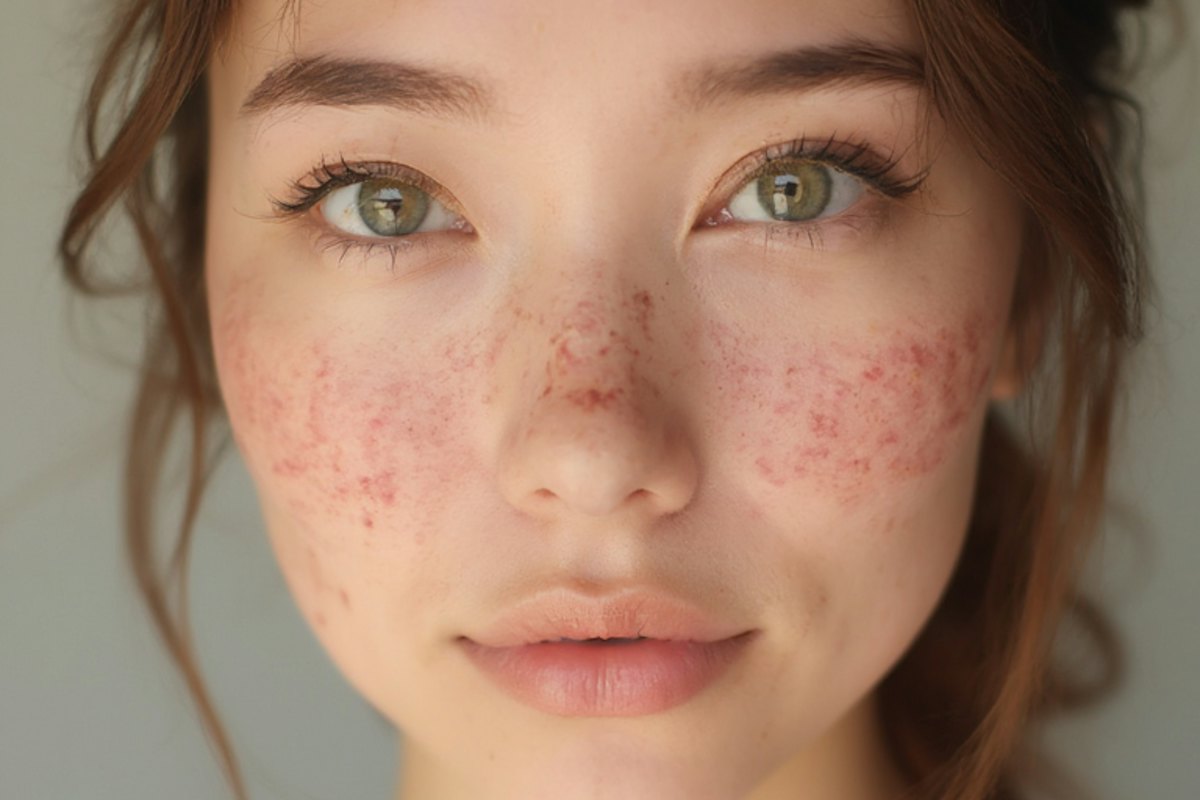
Quick answer: Pitted acne scars respond best to collagen-building treatments such as SkinPen microneedling, usually as a course of 3, while red or brown marks fade faster with peels and pigment-controlling skincare.
Know which type of scar you have
Red or brown marks left after a spot are not true scars. They are inflammation or pigment and they fade with the right care. Indented scars, described as rolling, boxcar or ice-pick, are caused by lost collagen and need treatments that rebuild it.
A consultation helps here, because most people have a mix and the plan should treat both.
Microneedling for indented scars
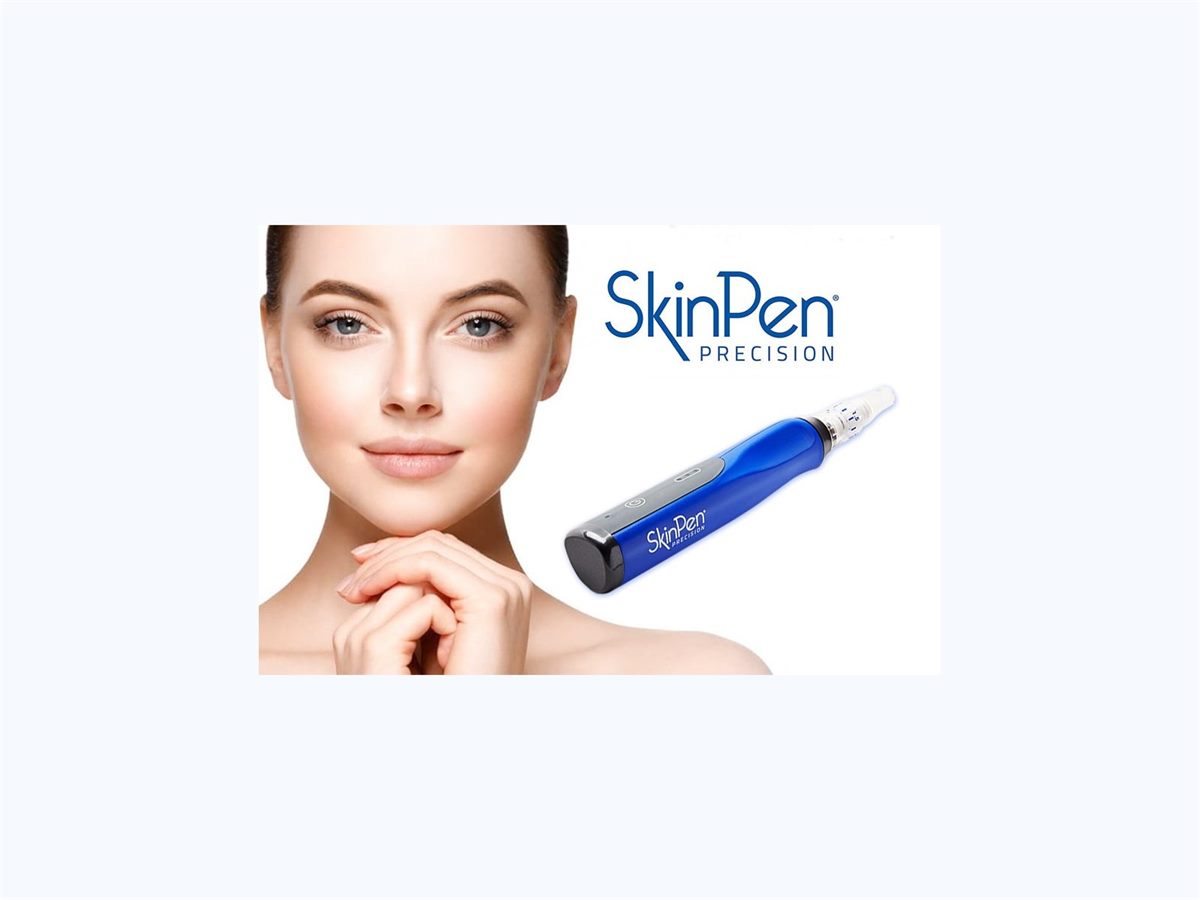
SkinPen Precision creates thousands of controlled micro-channels that trigger the skin's repair process, laying down new collagen under the scar. Results build over three to six months, and a course of three sessions four to six weeks apart is typical.
Adding a peel or growth factors can boost results for some skin types.
Peels and lasers for marks and texture
Medical peels such as the ZO 3-Step Peel or The Perfect Peel resurface the top layers, softening texture and fading discolouration. Clear + Brilliant laser refines pores and evens tone with minimal downtime.
Daily SPF is essential during any scar treatment, otherwise marks can darken.
Treat active acne first
There is little point treating scars while new spots keep forming. Get breakouts under control with a medical routine and in-clinic facials, then move on to scar work.
Never pick. It pushes inflammation deeper and is the biggest cause of new scarring.
Common questions
Can acne scars be removed completely?
Most scars can be improved significantly, but rarely erased completely. Honest expectations are part of every consultation.
More skin tips every week on our socials:
Written by the Skin Deep Aesthetics clinical team, 6 Carlisle Road, Derry. This article is general information, not medical advice. Book a consultation for advice about your own skin.